Investigation into classroom tardiness
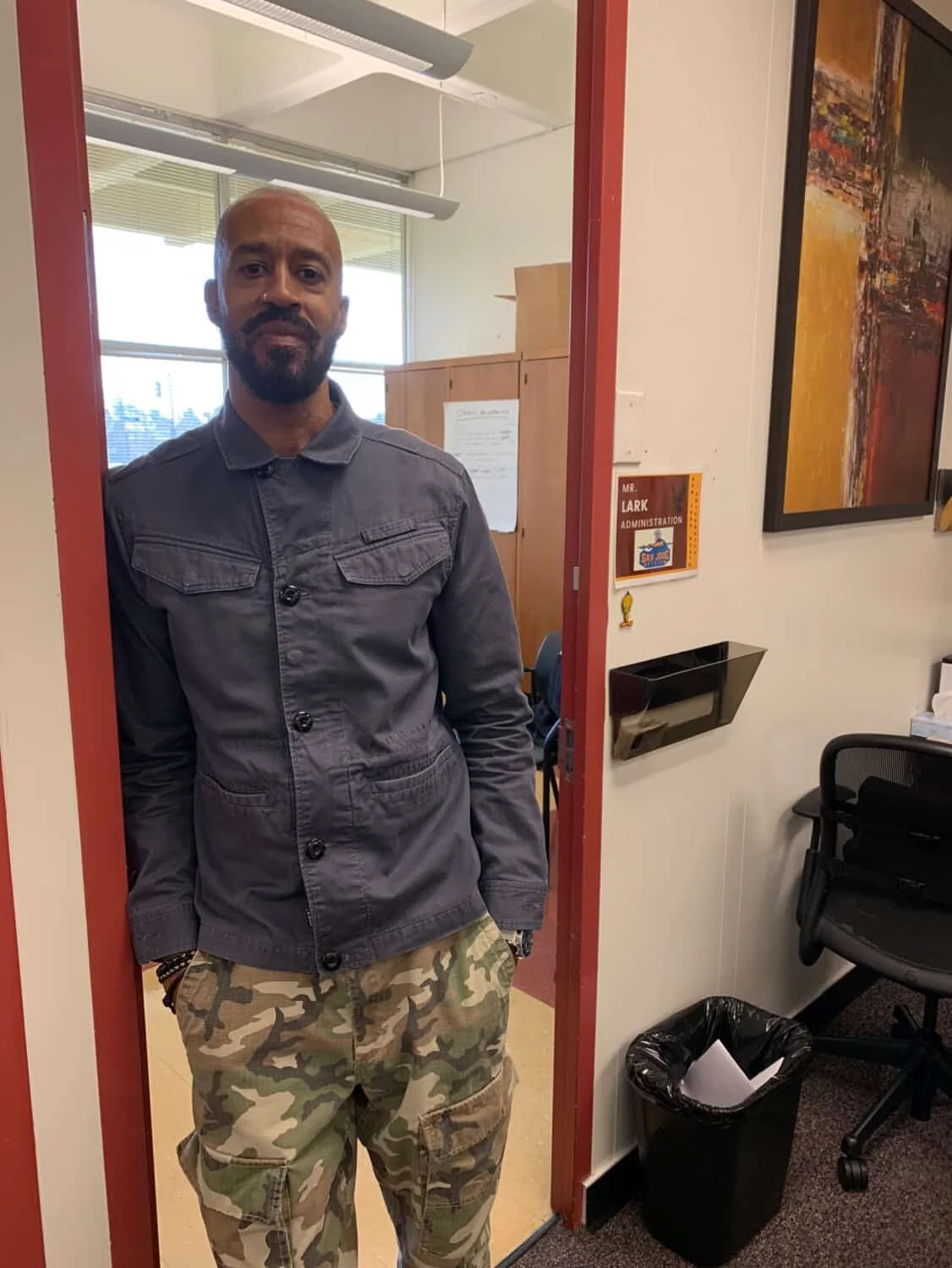
Photos By: Fernando Guerrero | February 2026 | Mr. Lark, Assistant Principal here at EHS
Tardiness is a major issue on campus, and student accountability plays a large role in why it happens. According to Assistant Principal Mr. Lark, the school averages 212 tardies on Wednesdays, making it the worst day for on-time attendance during the first semester. This leads to an important question: are tardies caused by a lack of student responsibility, or are they the result of circumstances students cannot control?
In an interview, Mr. Lark explained several common causes of tardiness and what the school is doing to address the problem.
One major factor is cell phone use. He shared that many students stay up late, often between midnight and 1 a.m., using their phones for social media or messaging.
Because of this, students get very little sleep and often oversleep in the morning. Mr. Lark also explained that the blue light from phones and other electronic devices disrupts sleep cycles, making it harder for students to fall asleep.
At the same time, Mr. Lark acknowledged that not all tardies are the student’s fault. Many students face challenges at home that are outside their control.
These challenges include lack of transportation, sharing a room, or having responsibilities such as dropping off younger siblings. When students face these situations, Mr. Lark said he meets with both parents and students to better understand the problem and work toward a reasonable solution.
When asked about future plans for stricter policies, Mr. Lark stated that tardies will always happen and that there are limited ways to completely prevent them.
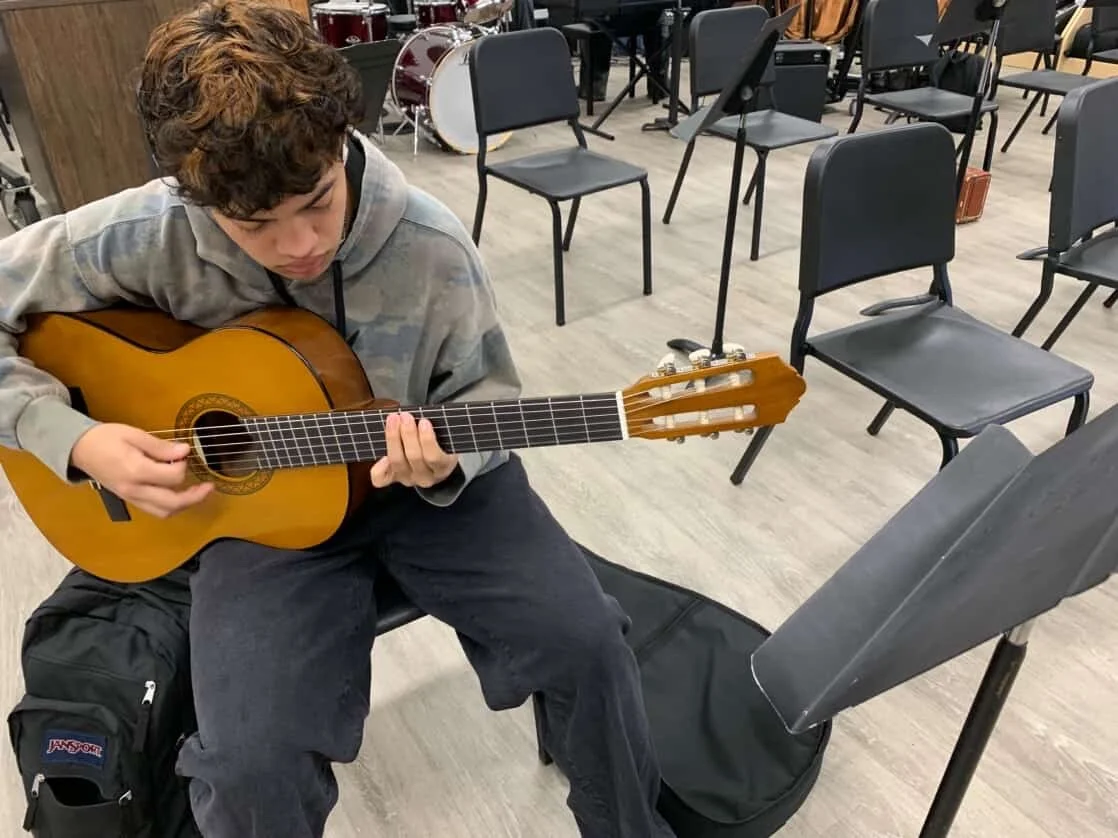
Photos By: Fernando Guerrero | February 2, 2026 | Alfredo Salinas, an interviewee describing the cause of his tardiness
To better understand the student perspective, two students were interviewed: Alfredo Salinas Iraheta and Leon Quintanar. Alfredo admitted that his tardiness is due to his own lack of responsibility. He said he is late almost every day and sometimes arrives near the end of first period.
Alfredo stays up late on his phone and openly admits that these habits cause him to be late. This shows a clear connection between phone use, accountability, and academic performance.

Photos By: Fernando Guerrero | February 3, 2026 | Leon Quintanar, interviewee showing how the student isn’t always at fault
Leon, on the other hand, struggled with attendance earlier in high school but has since improved. His tardiness was mainly caused by transportation issues, such as his mother needing to drop off his younger brother.
Leon believes students dealing with these challenges deserve understanding and more proactive solutions.
In conclusion, while some tardies are unavoidable, many can be prevented. In the end, students play the biggest role in solving this problem by managing their time better, limiting phone use, and taking responsibility for their education.
