Is surgery right for me?
The thought of surgery can make many people nervous. Whether it is to repair an injury or treat a medical condition, patients often find it difficult to decide what they will do. More specifically, they wonder if getting treatment is really worth it.

Every year, more than 300 million people undergo surgery for multiple reasons. It could be to improve quality of life, to improve health, or simply to improve their looks. Although surgery can be expensive and sometimes involves challenging recoveries, many people believe the benefits outweigh the drawbacks.
For athletes, surgery may provide the opportunity to safely return to sports and other activities. This year at Estancia there were many people who went through surgery. A good example is Chris Alvarado, who has undergone multiple knee surgeries after tearing both of his ACLs. He said recovery was the most difficult part of the process for him.
“The hardest part is after surgery because of the pain and having to push your knee beyond its limits during rehabilitation.”
Yet even though surgery seems to be beneficial, there are other things that are considered before it’s decided. Recovery can take weeks or even months, and patients are bound to experience discomfort, limitations, or frustration during that time. There are also risks involved, most notably medical complications and financial costs.
On our campus, many students and teachers have gone through all types of surgeries. Sometimes surgery calls to people like Cora Hunton, a junior who experienced recurring knee problems and she believes the severity of the injury must be well considered before thinking about surgery. She explained that her condition was caused by genetic factors and repeated injuries, making her surgery necessary.
“It definitely depends on what injury you have,” she said.
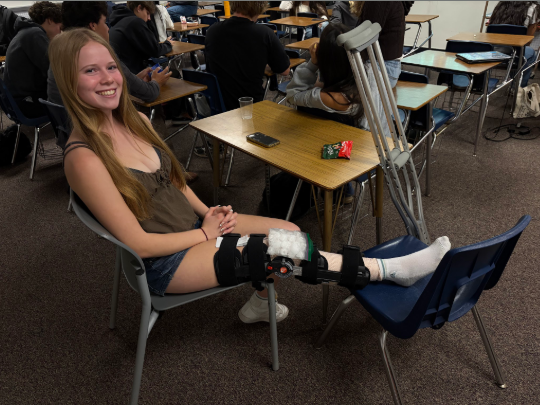
Cora Hunton, a junior at Estancia sitting at a desk with her leg propped up post-surgery
I recently experienced this myself after undergoing meniscus surgery. Before the procedure, I worried about the following recovery. Adjusting to crutches, wearing a brace 24/7, and cutting out key parts of my daily life. But I knew that to get back to playing, surgery was the right path.
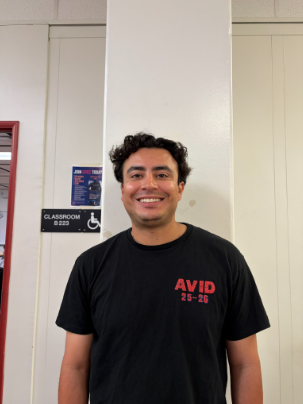
Mr. Otero, Estancia Avid and History teacher
Not everyone believes surgery is the best option. Some people choose physical therapy, medication or simply do nothing at all. Sometimes these alternatives can be effective and may help patients avoid surgery altogether. Mr. Otero, an Estancia AVID and history teacher said
“I hurt my meniscus when I was older and no longer playing competitive sports so I decided surgery wasn't necessary for me. Working out and time led me to semi recovery which just clicked in the knee left in under six months.”
Ultimately most of our interviews have voiced that surgery has lots of benefits, especially when regarding a serious injury, but the decision truly depends on what you want for your body in the end.
Written by Jocelyn Vidales and Fernando Guerrero